
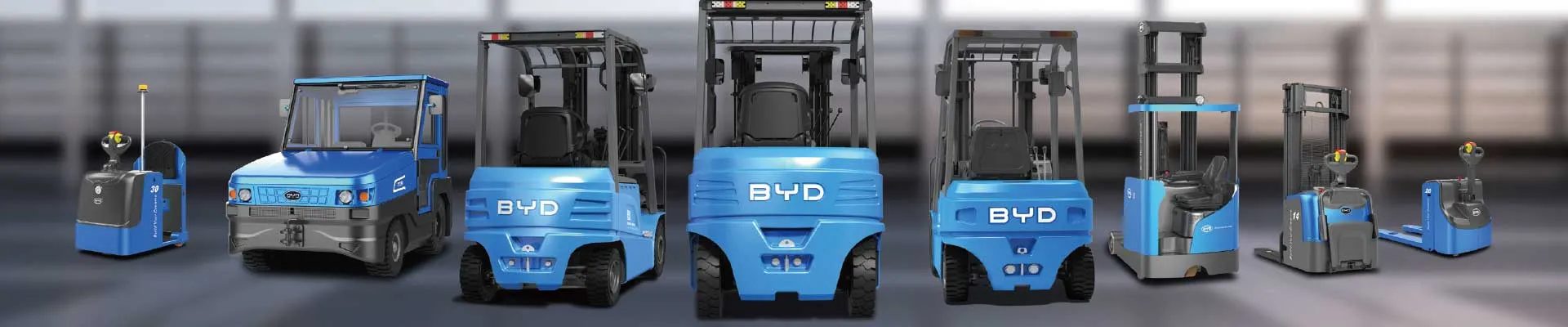
كيف تختار رافعة شوكية كهربائية ثقيلة مناسبة لـ المطارات في الجزائر؟

2026-09-20

تُعدّ المطارات الجزائرية — من مطار هواري بومدين الدولي في الجزائر العاصمة إلى مطارات وهران وقسنطينة وعنابة وتمنراست وحاسي مسعود — بوابات رئيسية للتجارة والشحن الجوي في شمال أفريقيا. وتتعامل صالات الشحن ومحطات مناولة البضائع يوميًا مع آلاف الحقائب والطرود وحاويات ULD والعربات الثقيلة. ومع اتجاه المطارات الحديثة إلى خفض الانبعاثات والضوضاء، أصبحت الرافعة الشوكية الكهربائية الثقيلة العاملة ببطارية الليثيوم الخيار المفضّل على رافعات الديزل والغاز. لكن الاختيار الخاطئ قد يكلف المطار خسائر تشغيلية كبيرة: توقف عن العمل، ارتفاع تكاليف الصيانة، ومخاطر سلامة على العاملين. يقدّم هذا الدليل العملي عشر خطوات واضحة لاختيار الرافعة الكهربائية المثالية لمطارك في الجزائر.
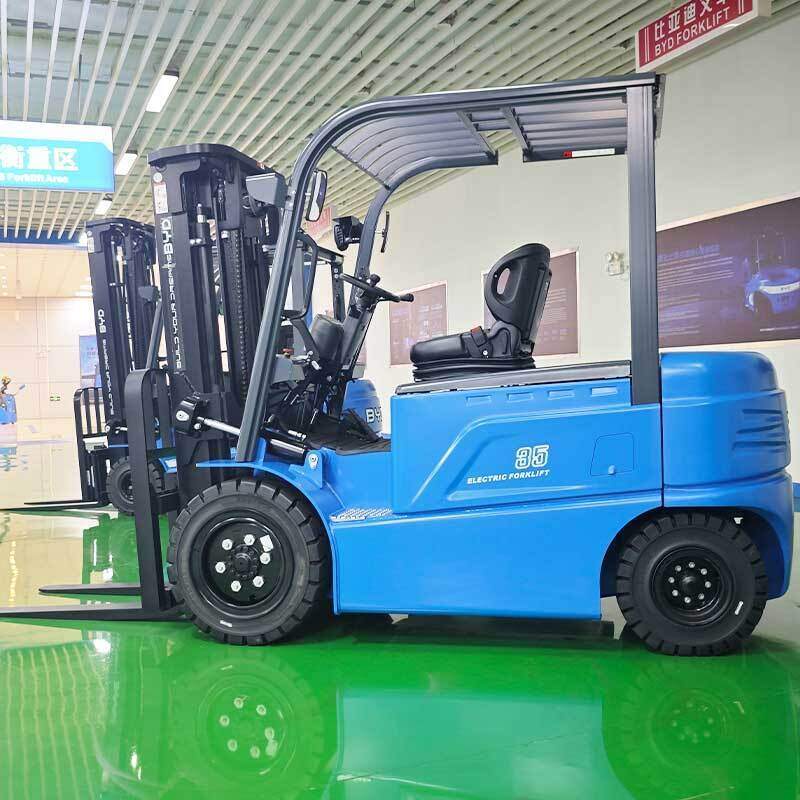
كيف تختار رافعة شوكية كهربائية ثقيلة مناسبة لـ المطارات في الجزائر؟(الرقم1)

الخطوة 1: تحديد طبيعة المهام وحجم المناولة في المطار

ابدأ بجمع بيانات دقيقة من قسم العمليات واللوجستيك قبل مقارنة أي موديل. بيئة المطار مركّبة وتجمع بين صالات مبردة، ساحات مكشوفة، ومنحدرات تحميل. اسأل فريقك الأسئلة التالية:

  • ما نوع البضائع المناولة؟ حقائب مسافرين، بريد، طرود، حاويات ULD، بضائع مبردة، أو قطع غيار طائرات؟
  • كم عدد ساعات التشغيل اليومية وعدد الورديات المتتالية؟
  • ما عرض الممرات وأماكن الدوران داخل صالة الشحن؟
  • ما المسافة اليومية المقطوعة بين المستودع وساحة الطائرة؟

نصيحة: احسب حجم المناولة في شهر الذروة (موسم الحج والعمرة وفصل الصيف) وليس في المتوسط السنوي، لأن الرافعة يجب أن تصمد في أسوأ الظروف لا في أفضلها.

الخطوة 2: حساب سعة الرفع ومركز الحمل وارتفاع الرفع

السعة المعلنة على لوحة الرافعة ليست رقمًا مطلقًا، بل ترتبط بمركز الحمل وارتفاع الرفع. كلما زاد ارتفاع الرفع أو ابتعد الحمل عن مركز الشوكة، انخفضت السعة الفعلية الآمنة. استخدم الجدول التقريبي التالي كنقطة انطلاق لاختيار الفئة:

نوع المهمة في المطارسعة الرفع الموصى بهاارتفاع الرفعنظام البطارية
مناولة الحقائب والطرود1.5 – 2.5 طن3 – 4.5 مليثيوم 48 فولت
منصات الشحن الجوي ULD2.5 – 3.5 طن4 – 6 مليثيوم 80 فولت
الحاويات والعربات الثقيلة3.5 – 5 طن4 – 6 مليثيوم 80/96 فولت
المستودعات المبردة2 – 3 طن3 – 5 مليثيوم مع تكييف

تحذير: اختيار رافعة بسعة أقل من اللازم للعمل على أقصى ارتفاع قد يؤدي إلى فقدان التوازن وانقلاب الرافعة. اطلب دائمًا مخطط الأحمال الرسمي (Load Chart) من المورّد ولا تعتمد على الأرقام الترويجية فقط.

الخطوة 3: اختيار نظام البطارية المناسب — ليثيوم فوسفات الحديد

تستخدم الرافعات الكهربائية الحديثة نوعين من البطاريات: الرصاص الحمضي التقليدي وليثيوم فوسفات الحديد (LiFePO4). في بيئة المطار حيث لا وقت لتبديل البطاريات الطويل، تمنحك بطارية الليثيوم مزايا حاسمة:

  • الشحن الفرصي أثناء فترات الراحة دون الحاجة إلى تبديل البطارية.
  • عمر افتراضي أطول يصل إلى 3 أضعاف بطارية الرصاص.
  • كفاءة شحن تتجاوز 95% وانخفاض استهلاك الكهرباء.
  • صيانة شبه معدومة: لا إضافة ماء مقطر ولا غازات أثناء الشحن.
  • أداء ثابت حتى عند نفاد 20% من الشحن، بخلاف الرصاص الذي يتراجع أداؤه مبكرًا.

نصيحة: تأكد من تركيب شواحن سريعة متوافقة مع شبكة الكهرباء الجزائرية (380 فولت ثلاثي الأطوار) واحسب ذروة الأحمال في مبنى الشحن قبل الاعتماد الكامل على الشحن الفرصي.

الخطوة 4: مراعاة المناخ والبيئة الجزائرية

تتفاوت الظروف المناخية في الجزائر بين حرارة صحراوية تتجاوز 45 درجة مئوية في تمنراست وحاسي مسعود، ورطوبة ساحلية مالحة في وهران والجزائر العاصمة، وبرودة جبلية في المرتفعات. هذا يستلزم ما يلي:

  • نظام تبريد فعّال للبطارية والمحرك ووحدة التحكم.
  • مستوى حماية IP مناسب ضد الغبار والماء (IP54 على الأقل).
  • فلاتر هواء قابلة للتنظيف لمواجهة الغبار الصحراوي.
  • هيكل مقاوم للتآكل في المطارات الساحلية.

تحذير: تشغيل بطارية ليثيوم في حرارة تتجاوز الحد الأقصى المسموح دون نظام تبريد مناسب يسبب تدهورًا سريعًا في السعة وقد يشكّل خطرًا حراريًا.

الخطوة 5: التحقق من معايير السلامة والامتثال للمطارات

المطارات مناطق أمنية حساسة تفرض معايير صارمة. تأكد من أن الرافعة تحمل شهادات CE وISO 3691 وEN 1175، وأنها مجهزة بأنظمة السلامة التالية:

  • أضواء تحذيرية زرقاء (Blue Spot) لمنع الاصطدام بالعاملين.
  • صفارة رجوع وأضواء وميض برتقالية.
  • حساسات رادار وكاميرا خلفية.
  • محدد سرعة إلكتروني يناسب مناطق الحركة داخل الساحة.
  • نظام إيقاف طارئ ومكابح كهربائية.

نصيحة: راجع إدارة أمن المطار وإدارة السلامة الجوية مبكرًا للحصول على الموافقات قبل الطلب، فبعض المطارات تمنع دخول رافعات ذات محرك احتراق داخلي إلى الصالات المغلقة.

الخطوة 6: تقييم التصميم الميكانيكي وملاءمته لبيئة المطار

ليست السعة وحدها ما يهم؛ فالملاءمة الفعلية تحدد الإنتاجية اليومية. افحص:

  • نصف قطر الدوران: كلما كان أصغر، زادت سهولة المناورة في الممرات الضيقة.
  • نوع الإطار: صلب (Solid) للأرضيات الخرسانية، أو هوائي للمناطق غير المستوية.
  • نوع الصاري: ثنائي المرحلة للارتفاعات المتوسطة، وثلاثي المرحلة للمستودعات العالية.
  • الإزاحة الجانبية (Side Shift) والوضع الأفقى للشوكة لتقليل وقت المناولة.
  • طول الشوكة واتساعها وفق أحجام حاويات ULD المعتمدة.

الخطوة 7: حساب التكلفة الإجمالية للملكية (TCO)

لا تقارن سعر الشراء فقط، بل احسب التكلفة على مدى 5 سنوات:

  • سعر الرافعة والشواحن والبنية التحتية للشحن.
  • تكلفة الكهرباء مقارنة بالديزل أو الغاز.
  • تكاليف الصيانة وقطع الغيار وساعات التوقف.
  • عمر البطارية وتكلفة استبدالها.
  • قيمة إعادة البيع في نهاية العمر التشغيلي.

نصيحة: الرافعة الكهربائية ببطارية الليثيوم غالبًا ما تكون أعلى سعرًا في البداية لكنها أقل تكلفة على المدى الطويل، خصوصًا في المطارات ذات الورديات المزدوجة.

الخطوة 8: التحقق من خدمة ما بعد البيع وتوفر قطع الغيار في الجزائر

هذه الخطوة قد تكون الأهم عمليًا. اسأل المورّد عن:

  • وجود وكيل معتمد أو مستودع قطع غيار في الجزائر.
  • زمن الاستجابة لطلب الصيانة بالطوارئ.
  • توفر فنيين مدرّبين على أنظمة الليثيوم.
  • مدة الضمان وشروط تغطية البطارية.
  • توفر وثائق فنية بالعربية أو الفرنسية.

تحذير: شراء رافعة من مورد لا يمتلك نقطة دعم محلية قد يؤدي إلى توقفها أسابيع بانتظار قطعة غيار مستوردة، وهو أمر غير مقبول في منشأة تعمل 24 ساعة.

الخطوة 9: الاختبار الميداني قبل اتخاذ قرار الشراء

اطلب عرضًا تجريبيًا حقيقيًا في مطارك وليس في معرض المورّد، مع الاختبار بالحمولة القصوى والارتفاع الأقصى:

  • قس استهلاك الطاقة خلال وردية كاملة.
  • راقب مستوى الضوضاء والاهتزاز من مقعد السائق.
  • استمع لملاحظات المشغلين حول سهولة التحكم والرؤية.
  • اختبر الأداء على منحدرات التحميل والأرضيات المبللة.

الخطوة 10: التعاقد والتدريب وخطة الصيانة

بعد اختيار الموديل، انتقل إلى الجانب التعاقدي والتشغيلي:

  • حدد بوضوح مدة الضمان وبنود الصيانة الوقائية.
  • اشترط تدريبًا ميدانيًا لمشغلي المطار وفريق الصيانة.
  • ضع جدول صيانة دورية لتغيير الفلاتر وفحص نظام التبريد والبطارية.
  • وثّق إجراءات السلامة الخاصة ببطارية الليثيوم (الشحن، الحرارة، الطوارئ).
  • اتفق على تقرير أداء نصف سنوي لمراقبة صحة البطارية.

اختيار رافعة شوكية كهربائية ثقيلة مناسبة لمطار في الجزائر ليس عملية شراء عادية، بل قرار استثماري يمسّ سلامة العاملين وانسيابية الشحن الجوي. بالالتزام بالخطوات العشر أعلاه — من تحليل الأحمال إلى الاختبار الميداني وخدمة ما بعد البيع — يمكنك تقليل مخاطر التوقف ورفع كفاءة المناولة لسنوات طويلة.

للاستفسار عن موديلات الرافعة الشوكية الكهربائية الثقيلة ببطارية الليثيوم وأسعار تجهيز مطارات الجزائر، تواصل معنا عبر البريد: info@bydfork.com

We use cookie to improve your online experience. By continuing to browse this website, you agree to our use of cookie.

Cookies

Please read our Terms and Conditions and this Policy before accessing or using our Services. If you cannot agree with this Policy or the Terms and Conditions, please do not access or use our Services. If you are located in a jurisdiction outside the European Economic Area, by using our Services, you accept the Terms and Conditions and accept our privacy practices described in this Policy.
We may modify this Policy at any time, without prior notice, and changes may apply to any Personal Information we already hold about you, as well as any new Personal Information collected after the Policy is modified. If we make changes, we will notify you by revising the date at the top of this Policy. We will provide you with advanced notice if we make any material changes to how we collect, use or disclose your Personal Information that impact your rights under this Policy. If you are located in a jurisdiction other than the European Economic Area, the United Kingdom or Switzerland (collectively “European Countries”), your continued access or use of our Services after receiving the notice of changes, constitutes your acknowledgement that you accept the updated Policy. In addition, we may provide you with real time disclosures or additional information about the Personal Information handling practices of specific parts of our Services. Such notices may supplement this Policy or provide you with additional choices about how we process your Personal Information.


Cookies

Cookies are small text files stored on your device when you access most Websites on the internet or open certain emails. Among other things, Cookies allow a Website to recognize your device and remember if you've been to the Website before. Examples of information collected by Cookies include your browser type and the address of the Website from which you arrived at our Website as well as IP address and clickstream behavior (that is the pages you view and the links you click).We use the term cookie to refer to Cookies and technologies that perform a similar function to Cookies (e.g., tags, pixels, web beacons, etc.). Cookies can be read by the originating Website on each subsequent visit and by any other Website that recognizes the cookie. The Website uses Cookies in order to make the Website easier to use, to support a better user experience, including the provision of information and functionality to you, as well as to provide us with information about how the Website is used so that we can make sure it is as up to date, relevant, and error free as we can. Cookies on the Website We use Cookies to personalize your experience when you visit the Site, uniquely identify your computer for security purposes, and enable us and our third-party service providers to serve ads on our behalf across the internet.

We classify Cookies in the following categories:
 ●  Strictly Necessary Cookies
 ●  Performance Cookies
 ●  Functional Cookies
 ●  Targeting Cookies


Cookie List
A cookie is a small piece of data (text file) that a website – when visited by a user – asks your browser to store on your device in order to remember information about you, such as your language preference or login information. Those cookies are set by us and called first-party cookies. We also use third-party cookies – which are cookies from a domain different than the domain of the website you are visiting – for our advertising and marketing efforts. More specifically, we use cookies and other tracking technologies for the following purposes:

Strictly Necessary Cookies
These cookies are necessary for the website to function and cannot be switched off in our systems. They are usually only set in response to actions made by you which amount to a request for services, such as setting your privacy preferences, logging in or filling in forms. You can set your browser to block or alert you about these cookies, but some parts of the site will not then work. These cookies do not store any personally identifiable information.

Functional Cookies
These cookies enable the website to provide enhanced functionality and personalisation. They may be set by us or by third party providers whose services we have added to our pages. If you do not allow these cookies then some or all of these services may not function properly.

Performance Cookies
These cookies allow us to count visits and traffic sources so we can measure and improve the performance of our site. They help us to know which pages are the most and least popular and see how visitors move around the site. All information these cookies collect is aggregated and therefore anonymous. If you do not allow these cookies we will not know when you have visited our site, and will not be able to monitor its performance.

Targeting Cookies
These cookies may be set through our site by our advertising partners. They may be used by those companies to build a profile of your interests and show you relevant adverts on other sites. They do not store directly personal information, but are based on uniquely identifying your browser and internet device. If you do not allow these cookies, you will experience less targeted advertising.

How To Turn Off Cookies
You can choose to restrict or block Cookies through your browser settings at any time. Please note that certain Cookies may be set as soon as you visit the Website, but you can remove them using your browser settings. However, please be aware that restricting or blocking Cookies set on the Website may impact the functionality or performance of the Website or prevent you from using certain services provided through the Website. It will also affect our ability to update the Website to cater for user preferences and improve performance. Cookies within Mobile Applications

We only use Strictly Necessary Cookies on our mobile applications. These Cookies are critical to the functionality of our applications, so if you block or delete these Cookies you may not be able to use the application. These Cookies are not shared with any other application on your mobile device. We never use the Cookies from the mobile application to store personal information about you.

If you have questions or concerns regarding any information in this Privacy Policy, please contact us by email at . You can also contact us via our customer service at our Site.