

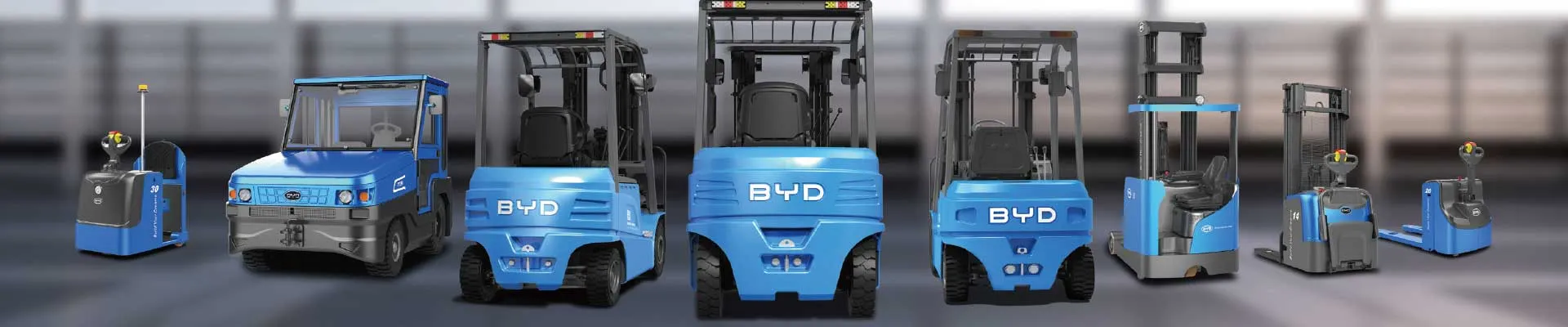
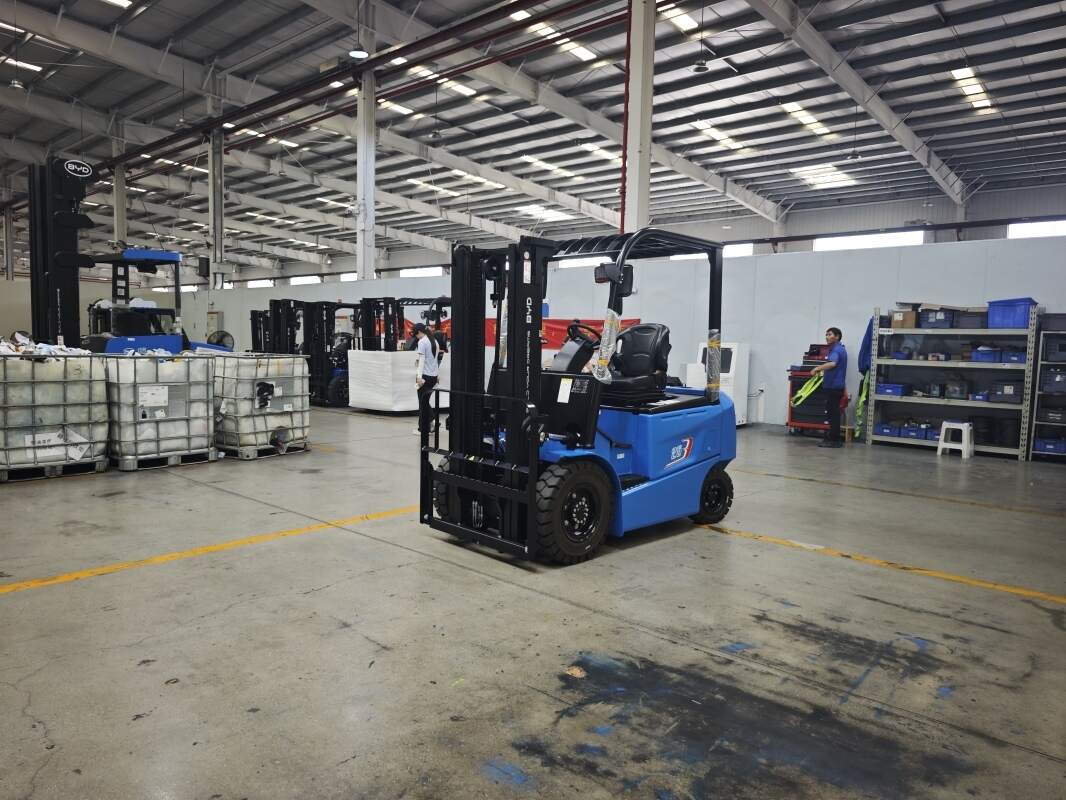
مقدمة: هل الرافعة الشوكية الكهربائية هي الخيار الأنسب لمصانع الأدوية؟
تُعدّ صناعة الأدوية في الإمارات واحدة من أكثر القطاعات الصناعية حساسية من حيث معايير الجودة والنظافة والسلامة. فالمصنّع الدوائي لا ينتج منتجًا عاديًا، بل ينتج مواد تؤثر مباشرة على صحة الإنسان، ولذلك تخضع كل عملية داخل خط الإنتاج — بما في ذلك عمليات مناولة المواد وتخزينها — لرقابة صارمة وفق مبادئ التصنيع الجيد GMP. ومن هنا يبرز سؤال مهم: هل الرافعة الشوكية الكهربائية مناسبة فعلًا لمصانع الأدوية في الإمارات؟ الإجابة المختصرة هي: نعم، بل هي الخيار المفضّل في معظم الحالات، شريطة اختيار الطراز المناسب وتطبيق إجراءات التشغيل الصحيحة. في هذا الدليل النقّاش نستعرض الأسباب الفنية والتنظيمية والاقتصادية التي تجعل الرافعة الكهربائية الخيار الأول للبيئات الدوائية، مع مقارنات عملية ونصائح قابلة للتطبيق فورًا.
لماذا تُعدّ بيئة مصانع الأدوية بيئة تشغيل خاصة؟
قبل الحكم على ملاءمة أي معدّة مناولة، لا بد من فهم طبيعة البيئة الدوائية في الإمارات، وهي بيئة تجمع بين أربعة قيود رئيسية:
- النظافة والسيطرة على الجسيمات: تُصنَّع الأدوية في غرف نظيفة مصنّفة وفق معايير ISO 14644، وأي جسيم دخيل أو عادم احتراق قد يهدد سلامة الدفعة الإنتاجية بالكامل.
- اللوائح التنظيمية: تشرف وزارة الصحة ووقاية المجتمع وبلديات الإمارات وهيئات مثل DHA وMOHAP على المنشآت الدوائية، مع تفتيش دوري على الممارسات التصنيعية الجيدة.
- التحكم في الحرارة والرطوبة: كثير من المواد الدوائية تحتاج سلاسل تبريد بين 2 و8 درجات مئوية، أو بيئات خاضعة للرطوبة النسبية، ما يفرض معدات تعمل بكفاءة دون إطلاق حرارة أو عوادم.
- حماية المنتج من التلوث المتقاطع: الانتقال بين مناطق المواد الخام ومناطق الإنتاج النهائي يتطلب معدات قابلة للتنظيف ولا تحتفظ بالأتربة أو الأبخرة.
الانبعاثات الصفرية: العامل الحاسم لصالح الرافعة الكهربائية
الرافعة التي تعمل بمحرك ديزل أو غاز تطلق عند نقطة الاستخدام أول أكسيد الكربون وأكاسيد النيتروجين والجسيمات الدقيقة. وبالنسبة لمصنع أدوية في أبوظبي أو دبي يعمل بنظام مراكز التوزيع المعتمدة، فإن مجرد وجود عادم احتراق داخل مستودع المواد الخام يُشكّل مخالفة واضحة لمعايير GMP. الرافعة الكهربائية العاملة ببطارية الليثيوم لا تنتج أي عادم عند نقطة الاستخدام، ما يجعلها متوافقة تمامًا مع متطلبات المناطق النظيفة.
جدول مقارنة سريع بين أنواع الرافعات
| المعيار | ديزل | غاز / بروبان | كهربائية بالليثيوم |
|---|---|---|---|
| الانبعاثات عند نقطة الاستخدام | عالية جدًا | متوسطة | صفر |
| مستوى الضوضاء | 85–95 ديسيبل | 80–90 ديسيبل | 60–70 ديسيبل |
| التوافق مع بيئات GMP | غير مناسب | محدود جدًا | ممتاز |
| تكلفة الطاقة لكل ساعة | مرتفعة | متوسطة | منخفضة |
| عدد ساعات الصيانة السنوية | مرتفع | متوسط | منخفض |
متطلبات التصنيف والمناطق الخطرة
بعض الأقسام في مصانع الأدوية — خصوصًا تلك التي تتعامل مع مذيبات عضوية أو مساحيق قابلة للاحتراق — تُصنَّف كمناطق خطرة. هنا يجب الانتباه إلى نقطة مهمة: الرافعة الكهربائية العادية ليست تلقائيًا معدّة مضادة للانفجار، لكنها الأساس الصحيح للبناء عليه. تتوفر طرازات كهربائية بمواصفات حماية ATEX ومحركات مغلقة وحماية IP عالية، وهي تناسب المناطق المصنّفة Zone 1 وZone 2 غالبًا. أما الرافعات التي تعمل بالديزل فلا يمكن اعتمادها في هذه المناطق إطلاقًا بسبب درجات حرارة السطح والمصادر المحتملة للاشتعال.
حماية الدوائر الكهربائية والأبخرة
عند التشغيل في أقسام تحتوي على أبخرة كيميائية، يُفضّل اختيار سيارات ذات مكوّنات إلكترونية مغلقة، ومقابس شحن لا تُستخدم داخل المنطقة الخطرة نفسها، بل في محطة شحن خارجية معتمدة. هذا التصميم يقلل من مخاطر الشرر ويحقق التوافق مع لوائح الدفاع المدني والسلامة الصناعية في الإمارات.
بطاريات الليثيوم مقابل بطاريات الرصاص الحمضية
كثير من أصحاب المصانع لديهم تجربة سابقة مع رافعات كهربائية تعمل ببطاريات رصاص حمضية، ويستنتجون من طول مدة الشحن وتبديل البطاريات أن الكهرباء غير عملية. هذه القاعدة تغيّرت جذريًا مع بطاريات ليثيوم فوسفات الحديد المستخدمة في رافعات BYD الكهربائية.
| العنصر | رصاص حمضي | ليثيوم (LFP) |
|---|---|---|
| مدة الشحن الكاملة | 8–10 ساعات | 1–2 ساعة |
| التدبير التعويضي أثناء الراحة | غير ممكن عمليًا | ممكن (Opportunity Charging) |
| عمر الدورة | 1500–2000 دورة | أكثر من 4000 دورة |
| الصيانة الدورية | إضافة ماء وتنظيف | شبه معدومة |
| انبعاثات غاز الهيدروجين | نعم أثناء الشحن | لا |
النتيجة العملية لمصنع أدوية يعمل على ثلاث ورديات: الرافعة الكهربائية بالليثيوم تستطيع الشحن أثناء فترات الراحة القصيرة، وبالتالي تبقى في الخدمة دون الحاجة إلى شراء بطارية احتياطية أو بناء غرفة شحن منفصلة ذات تهوية خاصة.
الأداء داخل المخازن المبرّدة ومناطق الإنتاج
تعمل الرافعات الكهربائية بكفاءة عالية في درجات الحرارة المنخفضة داخل غرف التبريد، وهنا تُبرز البطاريات الليثيوم تفوقًا آخر، إذ تحتفظ بأداء جيد حتى في درجات حرارة قريبة من الصفر، بخلاف بطاريات الرصاص التي تفقد جزءًا كبيرًا من سعتها. كما أن غياب محرّك الاحتراق يعني مستويات اهتزاز وضجيج أقل، ما ينعكس على دقة المناولة وسرعة الرص والتخزين في ممرات الرفوف الضيقة.
السلامة في العمليات الدوائية
- الضوضاء: انخفاض الضجيج يقلل الإجهاد ويحسّن التواصل بين المشغلين، وهو عامل يقيّمه المفتشون خلال زيارات GMP.
- الرؤية: عدم وجود عادم يعني عدم الحاجة إلى أنظمة تهوية إضافية، ووضوح أفضل للممرات.
- السلامة الكهربائية: يجب تصنيف مناطق الشحن ووضع مطافئ مناسبة، ومنع الشحن غير المراقب.
- تدريب المشغلين: لا يكفي شراء رافعة كهربائية ممتازة دون تدريب موثّق على القيادة الآمنة ومناولة المواد الحساسة.
دراسة الجدوى الاقتصادية لمصنع دوائي في الإمارات
قد يبدو سعر الرافعة الكهربائية بالليثيوم أعلى من نظيرتها العاملة بالديزل عند الشراء، لكن حساب التكلفة الإجمالية للملكية على مدى خمس سنوات يكشف الصورة الحقيقية:
- خفض تكلفة الوقود أو الغاز بنسبة تصل إلى 70% مقارنة بالتشغيل الاحتراقي.
- تقليص ساعات الصيانة السنوية، وبالتالي تقليل توقف خطوط المناولة.
- إلغاء تكاليف تبديل البطاريات وغرف الشحن ذات التهوية المكلفة.
- تجنّب مخالفات الجودة المحتملة التي قد تؤدي إلى إعادة إنتاج دفعات أو سحب منتجات، وهي تكاليف باهظة جدًا.
نصائح عملية عند اختيار الرافعة لمصنع الأدوية
- حدّد مسبقًا المناطق التي ستعمل فيها الرافعة: هل هي غرف نظيفة، أم مخازن مبرّدة، أم مناطق خطرة؟
- اطلب مواصفات حماية مناسبة (IP) ومقاومة للتآكل عند التعامل مع مواد كيميائية.
- اختر بطارية ليثيوم مع نظام إدارة بطارية ذكي يعطي تقارير عن حالة الشحن والاستخدام.
- تأكد من توفر خدمة الصيانة وقطع الغيار داخل الإمارات لتقليل زمن التوقف.
- وفّر محطة شحن مخصّصة خارج مناطق الإنتاج، مع تهوية وتهيئة كهربائية مطابقة للكود.
- وثّق إجراءات التشغيل والتدريب، لأن المفتشين يطلبون سجلات واضحة.
أخطاء شائعة يجب تجنّبها
من أكثر الأخطاء شيوعًا شراء رافعة كهربائية عادية ثم استخدامها في منطقة مصنّفة دون تعديلات الحماية، أو الاعتماد على بطارية رصاص واحدة دون خطة تدبير تعويضي، ما يؤدي إلى توقف العمليات في منتصف الوردية. كذلك يُخطئ بعض المصانع بعدم حساب ارتفاع الرفع المطلوب واتساع الممرات، فتجد نفسها بمعدّة قادرة على المناولة لكن غير قادرة على المناورة بأمان داخل المخزن.
الخلاصة
بالنسبة لمصانع الأدوية في الإمارات، الرافعة الشوكية الكهربائية ليست مجرد خيار بيئي، بل متطلب تشغيلي يتوافق مع معايير GMP ومتطلبات النظافة والسلامة والتحكم في درجات الحرارة. ومع بطاريات الليثيوم، أصبحت مدة الشحن القصيرة والعمر الطويل والصيانة المنخفضة عوامل تجعل التكلفة الإجمالية للملكية في صالح الكهرباء بوضوح. القرار الذكي يبدأ بتقييم دقيق لطبيعة المناطق والاحتياجات، ثم اختيار الطراز المناسب من رافعات كهربائية معتمدة وخدمة دعم محلية.
للاستشارة الفنية وعروض الأسعار، تواصل معنا عبر البريد: info@bydfork.com


