

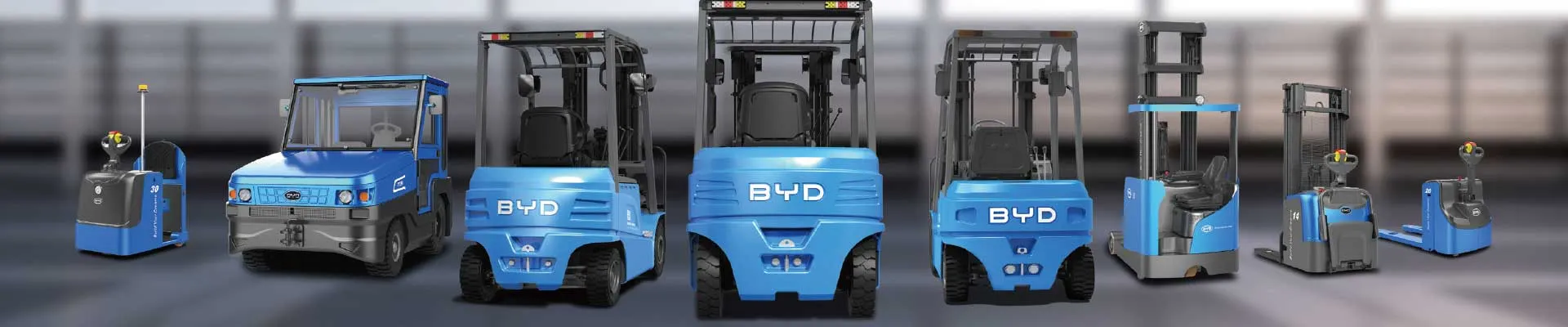
مقدمة: الفوركلفت الكهربائي يعيد رسم خريطة مراكز الشحن والتخزين
تشهد مراكز الشحن والتخزين حول العالم تحولًا جذريًا في طريقة إدارة معدات المناولة الداخلية، ويأتي الفوركلفت الكهربائي في قلب هذا التحول. فلم يعد السؤال هو «هل ننتقل إلى الكهرباء؟» بل أصبح «كيف نبني بنية تحتية ذكية للشحن والتخزين تواكب هذا الانتقال؟». ومع تصاعد ضغوط التكاليف التشغيلية، والتشريعات البيئية الصارمة، وارتفاع أسعار الوقود، تتجه المؤسسات اللوجستية إلى رافعات شوكية كهربائية تعتمد على بطاريات ليثيوم أيون، لأنها تقدم كفاءة طاقة أعلى، وصيانة أقل، وأداءً ثابتًا حتى في المناوبات الطويلة.
يستعرض هذا الدليل الشامل مستقبل الفوركلفت الكهربائي داخل مراكز الشحن والتخزين، من اختيار البطارية وتصميم منطقة الشحن، إلى إدارة الأسطول رقميًا وحساب التكلفة الإجمالية للملكية، مع نصائح عملية قابلة للتطبيق فورًا.
التحول العالمي نحو الكهرباء: الأرقام والحوافز
دفعت سياسات خفض الانبعاثات في أوروبا وآسيا وأمريكا الشمالية إلى تسريع استبدال الرافعات العاملة بالديزل والغاز بالبدائل الكهربائية. وتفرض العديد من المدن مناطق منخفضة الانبعاثات تُقيّد تشغيل المعدات العاملة بالوقود الأحفوري داخل المستودعات المغلقة، نظرًا لمخاطر العوادم على صحة العاملين وجودة البضائع الحساسة مثل الأغذية والأدوية.
الميزة الأهم في الفوركلفت الكهربائي أنه لا يُصدر أي انبعاثات كربونية موضعية، ما يسمح بتشغيله في الممرات الضيقة والغرف المبردة دون الحاجة إلى أنظمة تهوية مكلفة. كما أن مستويات الضوضاء المنخفضة ترفع دقة العمل وتقلل الإجهاد، وهو عامل مهم في بيئات التخزين ذات المناوبات الليلية.
ليثيوم أيون مقابل الرصاص الحمضي: نقطة التحول الحقيقية
الفرق الجوهري بين جيلين من الفوركلفت الكهربائي يكمن في نوع البطارية. بطاريات الرصاص الحمضي رخيصة الشراء لكنها تحتاج إلى صيانة دورية، وإضافة ماء مقطر، وغرف شحن منفصلة وتهوية، وأوقات شحن طويلة قد تصل إلى 8 ساعات مع فترة تبريد إضافية.
أما بطاريات ليثيوم أيون، وتحديدًا تقنية فوسفات حديد الليثيوم (LiFePO4) التي تعتمدها شركات رائدة مثل BYD، فتقدم عمرًا افتراضيًا أطول، وكفاءة شحن تتجاوز 95%، وإمكانية الشحن الفرصي أثناء فترات الراحة دون الإضرار بالعمر الافتراضي.
| المعيار | بطارية رصاص حمضي | بطارية ليثيوم أيون (LiFePO4) |
|---|---|---|
| زمن الشحن الكامل | 6–8 ساعات + تبريد | 1–2 ساعة |
| الشحن الفرصي | غير موصى به | مدعوم بالكامل |
| الصيانة | دورية وإضافة ماء | شبه معدومة |
| عمر الدورات | 1200–1500 دورة | 3000–6000 دورة |
| غرفة شحن مخصصة | مطلوبة | غير ضرورية |
| الكفاءة الطاقية | 70–80% | أكثر من 95% |
تصميم البنية التحتية للشحن داخل المستودع
مستقبل الفوركلفت الكهربائي لا يُقاس بعدد الوحدات فقط، بل بمدى جاهزية البنية التحتية للشحن. التوصية الأولى هي توزيع نقاط الشحن على محيط منطقة التخزين بدلًا من تجميعها في غرفة واحدة، وهو ما يتيح الشحن الفرصي وينهي الحاجة إلى غرف تبريد واسعة.
خطوات تأسيس منطقة شحن آمنة
- حساب الحمل الكهربائي الإجمالي بناءً على عدد الشواحن وقدرة كل شاحن، مع هامش أمان لا يقل عن 20%.
- اختيار شواحن ذكية قادرة على إدارة الأحمال وتوزيع القدرة حسب الحاجة الفعلية للأسطول.
- توفير أرضية مقاومة للانزلاق وعلامات تحديد واضحة لممرات الشحن.
- تركيب أنظمة كشف دخان وإطفاء حراري في محيط الشواحن، حتى مع انخفاض مخاطر ليثيوم أيون.
- توفير واقيات اصطدام حول الشواحن لحماية المعدات من الصدمات أثناء المناورة.
الشحن الفرصي وإدارة ذروة الطاقة
أحد أهم مكاسب الانتقال إلى ليثيوم أيون هو نموذج «اشحن عندما تتاح الفرصة». فبدلًا من انتظار تفريغ البطارية بالكامل، يمكن للسائق توصيل الفوركلفت بالشاحن خلال فترات الراحة القصيرة أو أثناء انتظار التحميل. هذا النموذج يقلل عدد البطاريات الاحتياطية المطلوبة بنسبة تصل إلى 30%، ويحرر مساحات تخزين كانت مخصصة لغرف الشحن.
أما على مستوى الطاقة، فإن أنظمة إدارة الشحن الذكية تستطيع تأجيل الشحن إلى ساعات انخفاض التعرفة أو إلى الفترات التي لا تسجل فيها المنشأة ذروة استهلاك، ما يخفض فاتورة الكهرباء بشكل ملموس.
الربط الرقمي: أسطول فوركلفت يُدار بالبيانات
الرافعة الشوكية الكهربائية الحديثة منصة بيانات متنقلة. عبر أنظمة إدارة الأسطول، يمكن للمسؤول متابعة مستوى الشحن، وساعات التشغيل، وأنماط الاستخدام، وتنبيهات الأعطال، بل وحالة كل خلية بطارية على حدة.
- تحديد المركبات منخفضة الاستخدام وإعادة توزيعها بين أقسام التخزين.
- اكتشاف الأعطال قبل تحولها إلى توقف مفاجئ في خط الشحن.
- إصدار تقارير استهلاك الطاقة لكل وردية ولربطها بمؤشرات الإنتاجية.
- التحكم في الوصول عبر بطاقة تعريف السائق، ما يحد من الاستخدام غير المصرح به.
السلامة والامتثال في بيئات التخزين المزدحمة
مع كثافة حركة المشاة والمركبات في مراكز الشحن، تبرز أهمية أنظمة السلامة المدمجة: الكشف عن المشاة، والتحكم في سرعة الانحناء، ومحددات ارتفاع الرفع، وأضواء التحذير النقطية على الأرض. كما أن غياب العوادم يعني هواءً أنظف داخل المستودع، ما ينعكس مباشرة على سلامة العاملين في الغرف المغلقة والمبردة.
التكلفة الإجمالية للملكية: نظرة على خمس سنوات
عند حساب قرار الشراء، يجب تجاوز سعر الوحدة الأولى والنظر إلى التكلفة الإجمالية للملكية. البطارية الليثيوم غالبًا أعلى سعرًا في البداية، لكنها تعوّض الفارق عبر توفير الطاقة والصيانة واستبدال البطاريات.
| عنصر التكلفة | فوركلفت رصاص حمضي | فوركلفت ليثيوم أيون |
|---|---|---|
| سعر الشراء | أقل | أعلى بنسبة 15–25% |
| استبدال البطارية | كل 3–4 سنوات | غير مطلوب غالبًا خلال 5 سنوات |
| صيانة البطارية | مرتفعة | منخفضة جدًا |
| تكلفة الكهرباء | مرتفعة | أقل بنسبة 20–30% |
| المساحة المطلوبة للشحن | كبيرة | محدودة |
نصائح عملية لاختيار فوركلفت كهربائي مناسب
- احسب دورة العمل الفعلية: لا تعتمد على أرقام المناوبات فقط، بل قِس ساعات التشغيل الحقيقية ومعدل الرفع.
- اختر جهدًا مطابقًا للبنية التحتية: تأكد من توافق جهد البطارية مع الشواحن المتاحة لتجنب تكاليف تحويل مكلفة.
- افحص توفر قطع الغيار والدعم المحلي: خدمة ما بعد البيع هي ما يحدد استمرارية الأسطول.
- اطلب فترة تجريبية: تشغيل الوحدة في بيئتك الحقيقية يكشف ملاءمتها للممرات والحمولات.
- خطط للتوسع: اختر شواحن ونظام إدارة أسطول يتيح إضافة وحدات مستقبلًا دون إعادة بناء المنظومة.
التحديات وكيفية التغلب عليها
أبرز التحديات التي تواجه المنشآت هي تكلفة ترقية الشبكة الكهربائية، والحاجة إلى تدريب الفنيين، والحذر من البطاريات منخفضة الجودة غير المطابقة للمعايير. الحل يكمن في الشراء من مصنّع موثوق يوفر شهادات أمان دولية، وفي التخطيط المرحلي الذي يبدأ بتشغيل جزء من الأسطول ثم التوسع تدريجيًا بعد قياس العائد.
الاتجاهات المستقبلية: ما الذي ينتظر مراكز التخزين حتى 2030؟
- انتشار الشواحن عالية القدرة التي تعيد شحن البطارية جزئيًا في أقل من 30 دقيقة.
- دمج الفوركلفت الكهربائي مع أنظمة إدارة المستودعات لجدولة المهام حسب حالة الشحن.
- توسع المركبات ذاتية القيادة في مهام النقل الداخلي المتكررة.
- الاعتماد على الطاقة الشمسية لتغطية جزء من أحمال الشحن وخفض البصمة الكربونية.
- بطاريات ذات كثافة طاقة أعلى تتيح مناوبات عمل متواصلة دون توقف للشحن.
خلاصة
مستقبل الفوركلفت الكهربائي في مراكز الشحن والتخزين يتجاوز مجرد استبدال محرك بآخر؛ إنه إعادة تصميم لسلسلة الطاقة كاملة، من البطارية إلى الشاحن إلى نظام الإدارة. المنشآت التي تبدأ اليوم ببناء بنية شحن ذكية وتختار تقنية ليثيوم أيون موثوقة ستكون الأقدر على خفض التكاليف، ورفع الإنتاجية، والامتثال للمعايير البيئية القادمة.
للاستشارة حول اختيار الفوركلفت الكهربائي المناسب أو تصميم منظومة الشحن لمستودعك، تواصل معنا عبر البريد الإلكتروني: info@bydfork.com


