

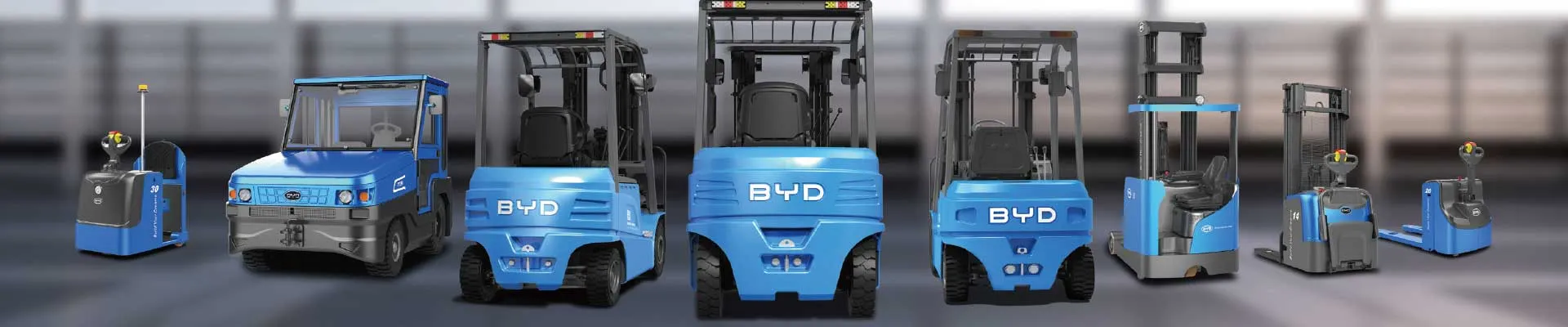
تُعد الرافعة الشوكية العمود الفقري لحركة المواد في المستودعات والمصانع والمنافذ اللوجستية في دولة قطر، ومع النمو المتسارع للقطاع اللوجستي والصناعي في الدوحة أصبحت إدارة دورة حياة الرافعة — من لحظة تحديد الطلب حتى التشغيل اليومي — عاملاً حاسماً في ضبط التكاليف ورفع الإنتاجية. يقدّم هذا الدليل خطة عمل متكاملة تشرح الخطوات الفعلية لصيانة وتشغيل رافعة شوكية في الدوحة، مع التركيز على خصوصية المناخ القطري وطبيعة العمل في المستودعات المكيّفة والمناطق الصناعية المفتوحة.
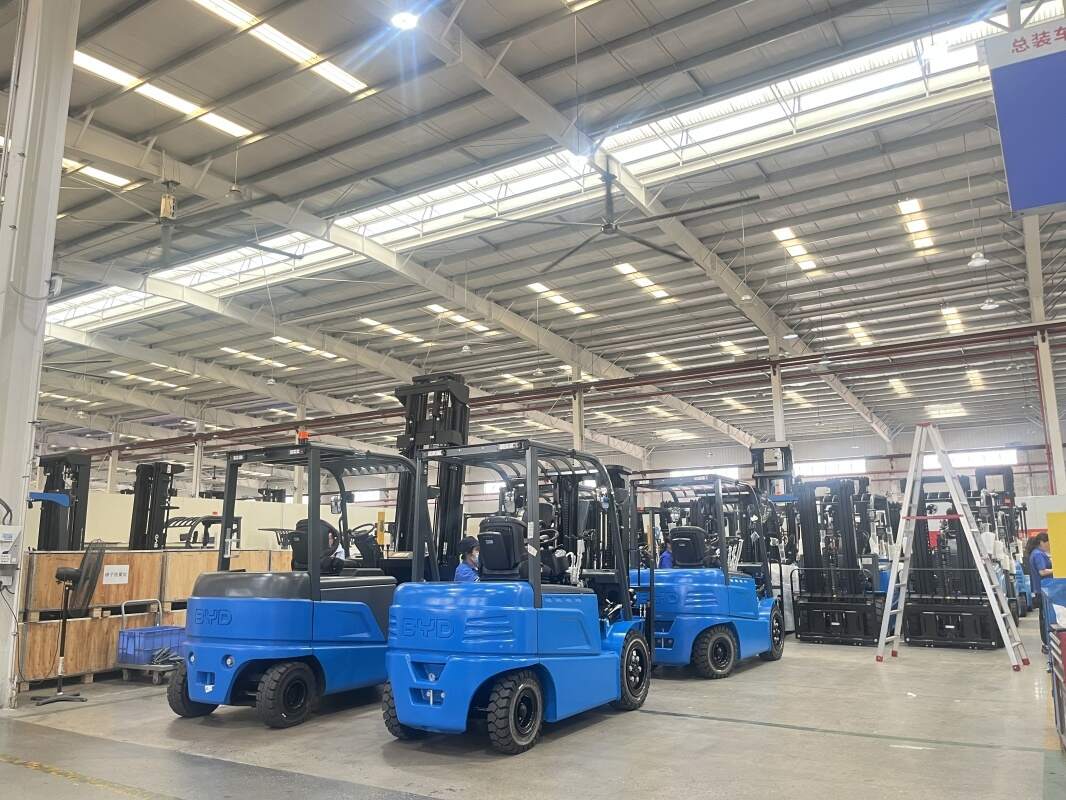
لماذا تحتاج صيانة الرافعات في الدوحة إلى خطة مختلفة؟
البيئة القطرية تفرض ظروف تشغيل قاسية على المعدات الصناعية، وأبرزها:
- الحرارة المرتفعة صيفاً: تؤدي إلى ارتفاع حرارة الزيت الهيدروليكي وزيت ناقل الحركة، وتُسرّع تلف الخراطيم والموانع المطاطية.
- الغبار والرمال الناعمة: تتسلل إلى مرشحات الهواء والهيدروليك وتختلط بالشحم، ما يزيد معدل التآكل في البطانات والمفاصل.
- الرطوبة والملوحة قرب المناطق الساحلية: تسبب صدأً سريعاً في الهياكل المعدنية والأجزاء الكهربائية غير المعزولة.
- العمل في مستودعات مكيّفة: الانتقال المتكرر بين بيئة باردة وأخرى حارة يكوّن تكاثفاً داخل الأجزاء الكهربائية.
لذلك يجب أن تكون خطة الصيانة مبنية على معطيات الموقع، لا على جدول عام منسوخ من كتالوج الشركة المصنّعة.
الخطوة الأولى: تحديد الاحتياج وتقييم الموقع
قبل كتابة أي طلب عرض سعر، تحتاج إلى وثيقة احتياج داخلية تشمل:
بيانات الحركة والتشغيل
- الأوزان القصوى التي ستُرفع يومياً وساعة الذروة.
- ارتفاع الرفع المطلوب وارتفاع الأرفف في المستودع.
- عرض الممرات ومساحات الدوران، خاصة في المستودعات ذات الرفوف الضيقة.
- عدد الورديات وساعات التشغيل اليومية المتوقعة.
- نوع الأرضية: خرسانة مصقولة، أسفلت، أرضية غير مستوية.
بيانات الموقع
- هل العمل داخلي مكيّف، أم في ساحة مفتوحة معرّضة للشمس والغبار؟
- هل هناك مناطق انفجارية أو مواد قابلة للاشتعال؟
- هل تتوفر بنية شحن كهربائي كافية في حال اختيار رافعة كهربائية؟
- مساحة مخصصة للتوقف والصيانة ومواقف الشحن.
تقييم دقيق في هذه المرحلة يوفّر لاحقاً تكاليف تعديلات مكلفة أو شراء طراز غير مناسب.
الخطوة الثانية: اختيار نوع الرافعة ومصدر الطاقة
في السوق القطري يبرز خياران رئيسيان: الرافعة الكهربائية العاملة ببطارية الليثيوم، والرافعة العاملة بالديزل أو الغاز. المقارنة التالية تساعدك على الحسم:
| المعيار | رافعة كهربائية بليثيوم | رافعة ديزل/غاز |
|---|---|---|
| الاستخدام الأمثل | المستودعات الداخلية، الأغذية والأدوية، العمل المكيّف | الساحات المفتوحة، الإنشاءات، الأحمال الثقيلة |
| الانبعاثات | صفر انبعاثات، آمنة داخلياً | عوادم تحتاج تهوية قوية |
| الشحن والوقود | شحن سريع خلال الاستراحات، بدون تداول وقود | تزويد مستمر بالديزل أو الغاز |
| الصيانة | أقل عدداً من الأجزاء المتحركة، لا زيوت محرك | زيوت وفلاتر وصيانة محرك دورية |
| الضجيج | منخفض جداً | مرتفع |
| التكلفة التشغيلية | أقل على المدى الطويل | أعلى مع تقلب أسعار الوقود |
للاطلاع على خيارات الرافعات الكهربائية بمحرك ليثيوم أيون المتوافقة مع متطلبات التشغيل القطري، راجع BYD Electric Forklift كمرجع فني عند إعداد المواصفات.
الخطوة الثالثة: طلب العرض الفني والتجاري
اكتب مواصفات واضحة بدل الاكتفاء بعبارة «رافعة 3 طن». يجب أن يتضمن الطلب:
- سعة الرفع الاسمية والمسافة من مركز الحمل.
- نوع الصاري وارتفاع الرفع الكلي والحر.
- نوع الإطارات المناسب للأرضية.
- سعة البطارية وزمن الشحن ومنحنى أداء الشحن السريع.
- قطع الغيار المتوفرة محلياً وضمان التوفر.
- شروط الضمان وساعات العمل المشمولة.
- خطة التسليم والتأهيل والتدريب.
اطلب دائماً ثلاثة عروض على الأقل، وقارنها على أساس التكلفة الإجمالية للتملك لا سعر الشراء فقط.
الخطوة الرابعة: التعاقد وبناء خطة الصيانة الوقائية
يجب أن يكون عقد الصيانة جزءاً من عقد التوريد نفسه، لا بنداً منفصلاً لاحقاً. اشترط ما يلي:
- زمن استجابة محدد كتابياً (مثلاً 4 ساعات داخل الدوحة).
- عدد زيارات الصيانة الوقائية السنوية وجدولها.
- توفر قطع الغيار الحرجة داخل قطر.
- تقرير فني بعد كل زيارة مع صور وقياسات.
- بند واضح لسيارة الإحلال عند التوقف الطويل.
الخطوة الخامسة: الفحص الاستلامي قبل التشغيل
عند وصول الرافعة إلى موقعك، لا توقّع محضر الاستلام قبل تنفيذ قائمة فحص استلامية (PDI) تشمل:
- مطابقة الرقم التسلسلي والطراز للعقد.
- فحص مستوى الزيت الهيدروليكي وسلامة الخراطيم.
- اختبار الفرامل والفرامل اليدوية وتوجيه المقود.
- اختبار الرفع والإمالة بحمل آمن وتجريبي.
- فحص أداء البطارية وقراءة نسبة التفريغ بعد اختبار الحمل.
- التأكد من عمل الأنوار وصافرة الرجوع وطفاية الحريق وحزام الأمان.
- توثيق أي خدش أو عيب في محضر موقّع بالصور.
الخطوة السادسة: التأهيل والتشغيل التجريبي
خصّص أسبوعاً للتشغيل التجريبي في بيئة العمل الفعلية، تراقب فيه:
- زمن تشغيل البطارية في وردية كاملة.
- ثبات الأداء عند رفع الأحمال القصوى.
- سلوك الرافعة في الممرات الضيقة.
- أي تسريب أو أصوات غير طبيعية بعد أول 50 ساعة عمل.
هذه المرحلة تكشف مشكلات التركيب أو عدم ملاءمة الطراز قبل أن تتحول إلى أعطال مكلفة.
الخطوة السابعة: تدريب المشغلين والسلامة
لا توجد صيانة ناجحة بدون مشغّل مدرّب. التدريب الأساسي يجب أن يغطي:
- الفحص اليومي قبل التشغيل (الزيوت، البطارية، الإطارات، الفرامل).
- قواعد الأحمال ومركز الثقل وممنوعات الرفع.
- إجراءات الشحن الآمن للبطاريات الليثيوم.
- التبليغ الفوري عن أي عطل أو سلوك غير طبيعي.
- مخاطر السرعة في الممرات وقواعد الأولوية.
جدول الصيانة الدورية الموصى به في الدوحة
| الدورية | المهام الأساسية |
|---|---|
| يومياً (قبل الوردية) | فحص الزيوت، الإطارات، الفرامل، عمل الأنوار، مستوى شحن البطارية، تنظيف المرشحات من الغبار |
| كل 250 ساعة | تشحيم المفاصل، فحص الخراطيم، تنظيف مبادل الحرارة، فحص شد السلاسل |
| كل 500 ساعة | تغيير زيت الهيدروليك حسب التحليل، فحص البطانات، معايرة أنظمة الأمان |
| كل 1000 ساعة | فحص شامل للمحرك الكهربائي، فحص كابلات البطارية، اختبار سعة البطارية |
| سنوياً | اختبار الحمل، فحص الهيكل ضد الصدأ، تحديث خطة الصيانة بناءً على البيانات |
في البيئات الغبارية يُنصح بتقليص فترات التنظيف بنسبة 30% عن توصيات المصنع.
إدارة البطارية الليثيوم كأصل استراتيجي
- احفظ الرافعة في منطقة شحن جيدة التهوية بعيداً عن حرارة الشمس المباشرة.
- تجنّب التفريغ الكامل المتكرر، واستهدف نطاق تشغيل بين 20% و90%.
- استخدم الشواحن المطابقة للطراز فقط.
- راقب درجة حرارة البطارية أثناء الشحن صيفاً، فقد يلزم شحن في ساعات الليل.
- اطلب تقرير دورة حياة البطارية سنوياً لمقارنة السعة الفعلية بالاسمية.
مؤشرات قياس نجاح خطة الصيانة
- الجاهزية: نسبة الوقت المتاح للتشغيل مقابل الوقت المخطط.
- متوسط الزمن بين الأعطال (MTBF).
- متوسط زمن الإصلاح (MTTR).
- تكلفة الصيانة لكل ساعة تشغيل.
- نسبة الأعطال المتكررة — مؤشر مباشر على ضعف جودة الإصلاح.
أخطاء شائعة يجب تجنبها
- تأجيل الصيانة الوقائية لتوفير ساعات تشغيل إضافية، ما يضاعف تكلفة الأعطال.
- شراء رافعة ديزل لمستودع مغلق دون تهوية كافية.
- إهمال تنظيف مرشح الهواء في موسم الغبار.
- الاعتماد على مورد بلا مخزون قطع غيار محلي.
- عدم توثيق ساعات التشغيل، ما يُفقد جدول الصيانة قيمته.
الخلاصة
نجاح تشغيل رافعة شوكية في الدوحة لا يعتمد على جودة المعدة وحدها، بل على تسلسل منضبط يبدأ بتحديد الاحتياج بدقة، ويمر باختيار مصدر الطاقة المناسب، والتعاقد على صيانة وقائية بزمن استجابة محدد، وينتهي بتدريب المشغلين وقياس المؤشرات باستمرار. اتبع هذه الخطوات السبع وستحصل على معدّة تعمل بساعات توقف أقل وتكلفة تشغيلية أقل على مدى سنوات الخدمة.
للاستفسار عن المواصفات الفنية وخطط الصيانة وقطع الغيار، تواصل معنا عبر البريد الإلكتروني: info@bydfork.com


